Posts-All
The first principle is that you must not fool yourself
and you are the easiest person to fool.
Richard P.
Feynman
the writing process: a safeguard against
this first principle

Level:
general audience
approachable
calculus
advanced
Post Zero: A Cascading Collection of Caveats
06 June 2022
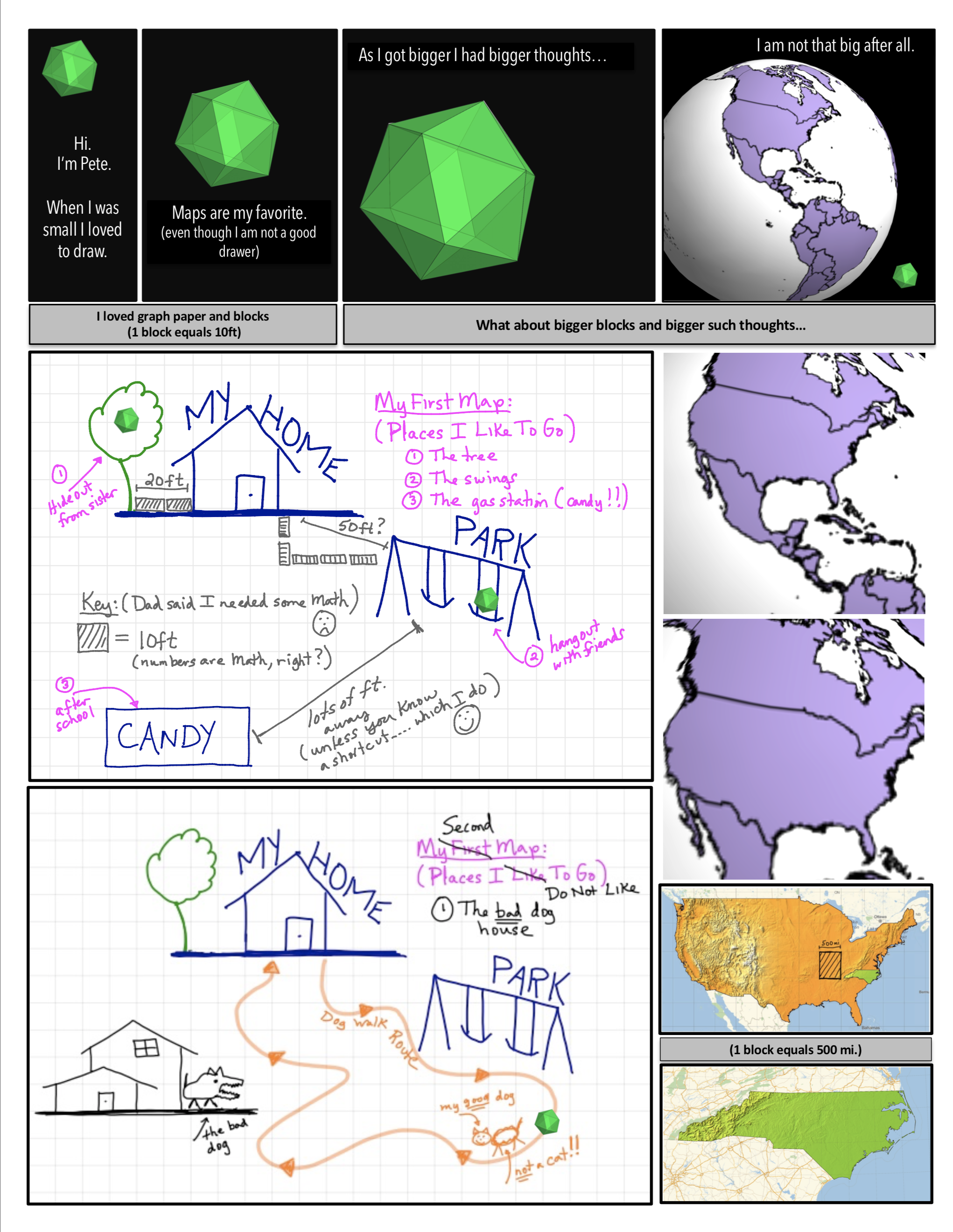
Here we make our introductions and discuss the animating ideas behind these collections of posts.
additional resources:
A Pattern Language and A Curvature Story
08 June 2022
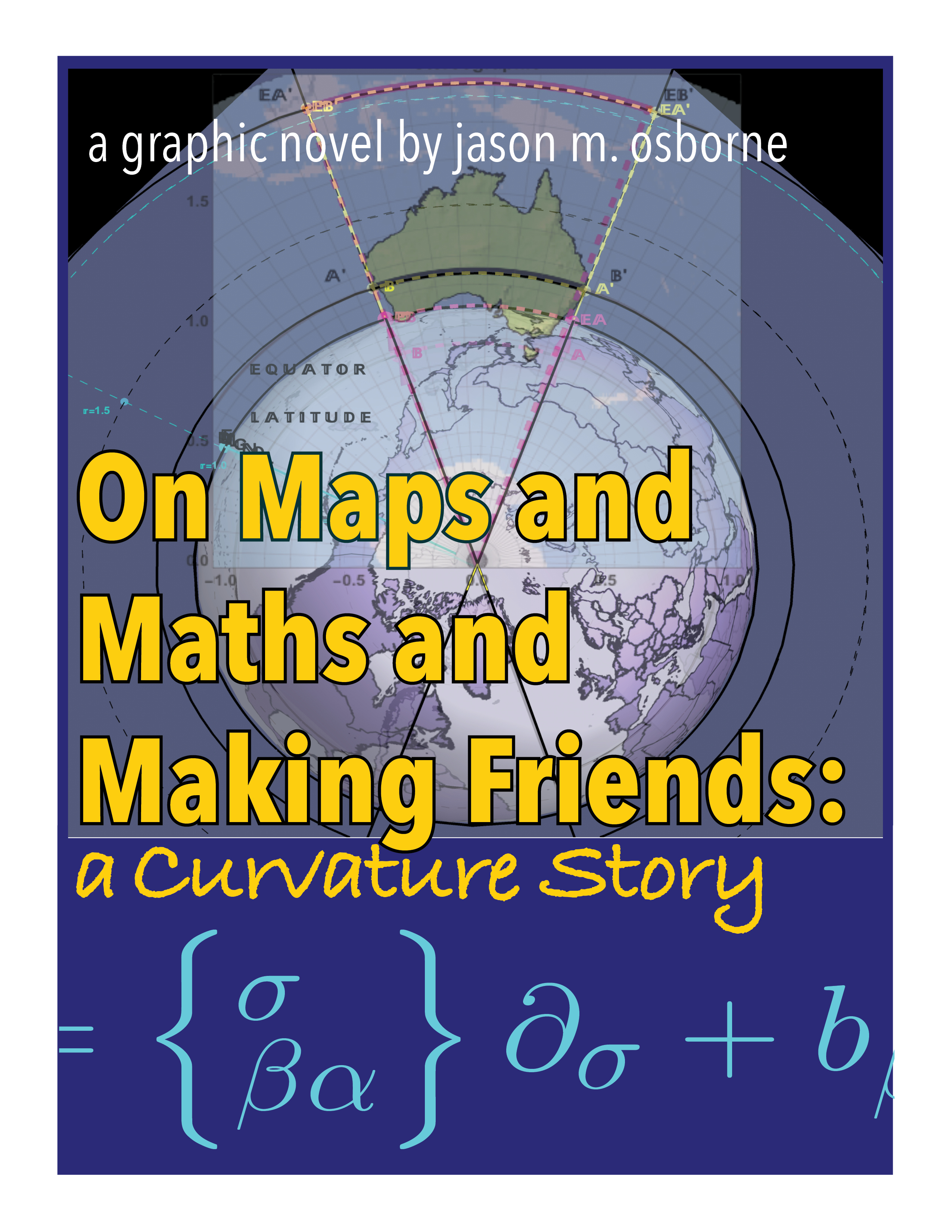
How A Pattern Language has informed the design and organization of my current approach to writing about mathematics. In the process we introduce our animated graphic novel A Curvature Story (available by clicking the Apple icon).
additional resources:
A Basic Website in RMarkdown (with an R renderscript)
05 July 2022
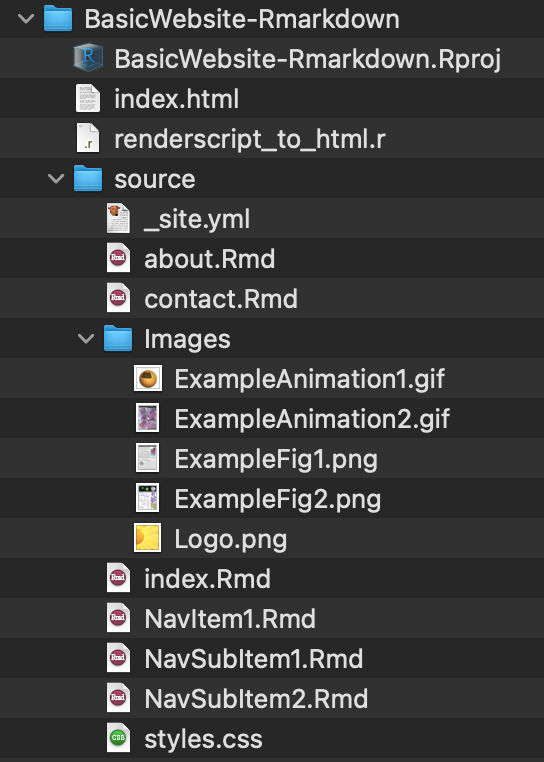
Just because it’s a basic website doesn’t mean it’s not an effective website. A process is discussed that helped me understand the building of a basic website in RMarkdown. Many of the basic ideas shown in this post (e.g. YAML spacing, using YAML scalar and array variables, R script for rendering, etc.) were also used in the building of this blog you are now reading.
additional resources:
The Cost of Curvature
16 August 2022
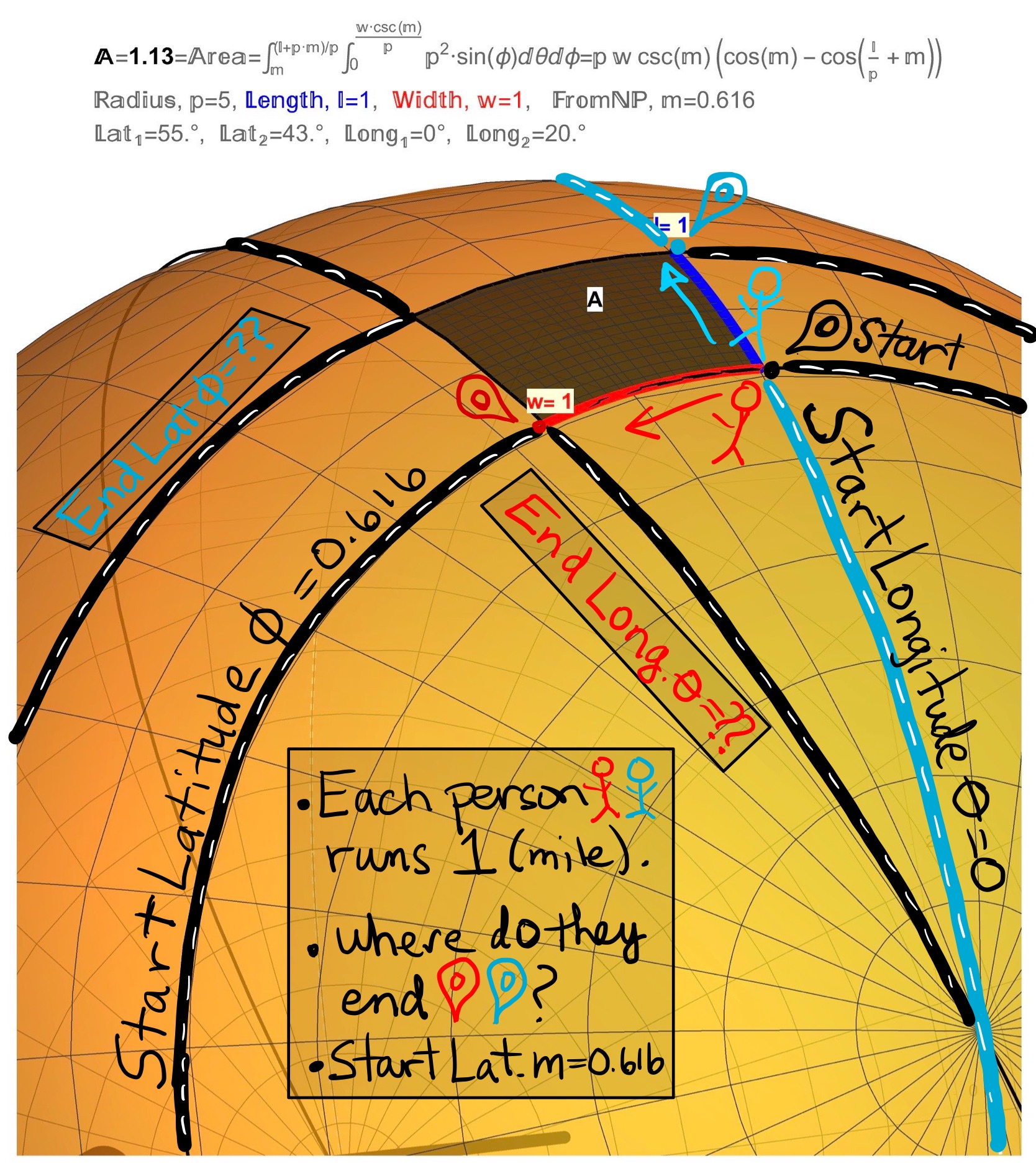
An attempt is made to re-cast the curvature of a sphere in terms of area (meters squared) and money (dollars). It turns out that, in one sense, the curvature of the earth doesn’t cost that much. Some of the mathematical ideas touched on in this post are surface area, arc-length, and great circles.
additional resources:
On Geodesic Triangles and a Euclidean Limit
26 August 2022
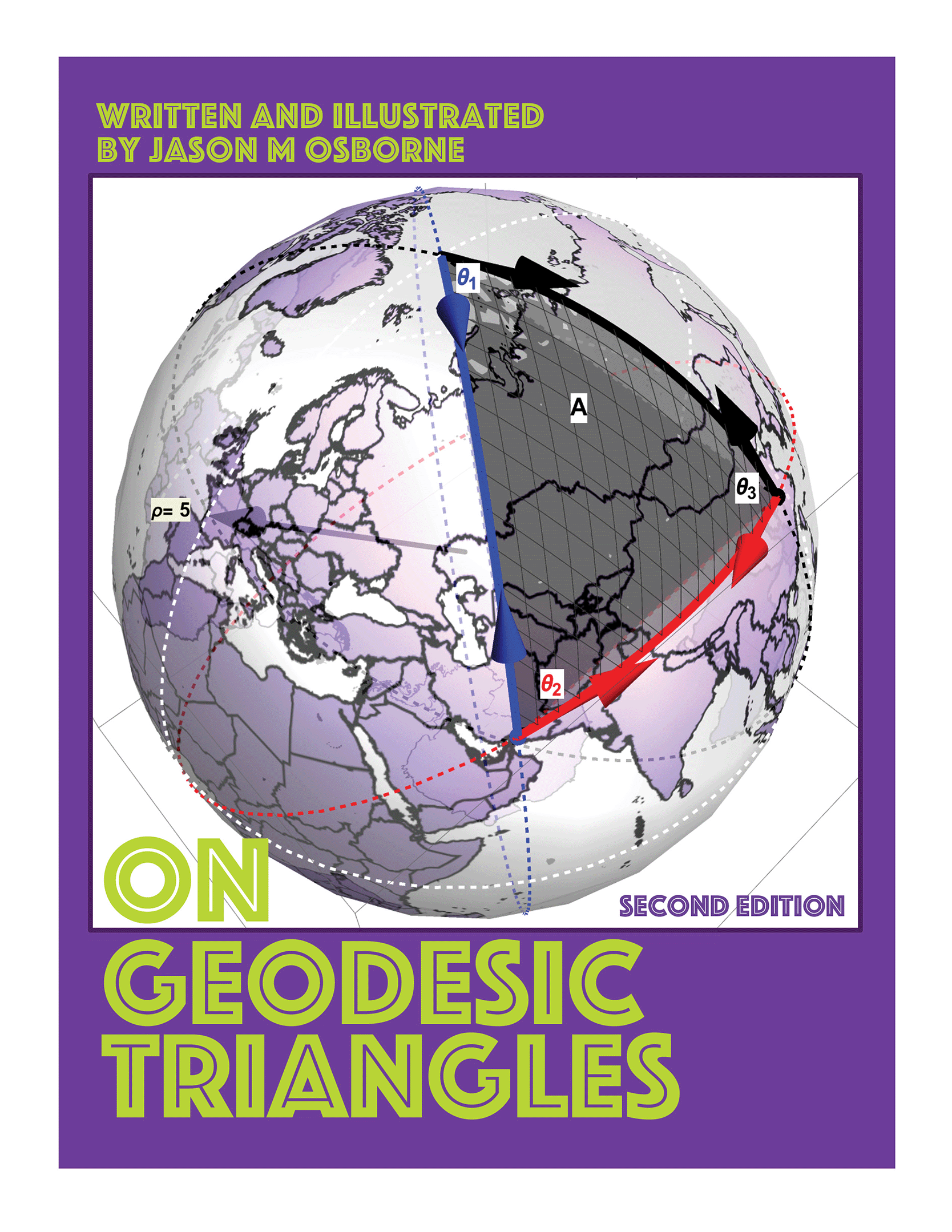
In this post we illustrate the interest that Differential Geometers (those folks who like to mix Calculus with Geometry) have with the concepts of curvature and geodesics. We illustrate curvature as that deviant quality inherent to a sphere which deforms the standard Euclidean result requiring angles of a triangle to add to 180 degrees. We also see that in defining the Differential Geometric equivalent of straight lines (geodesics), the mathematical and computational complexities increase drastically. This is the first post which illustrates the Maple package I have written (called tensorAddOns) whose purpose is to handle the difficult computations involving many of the higher dimensional objects in Differential Geometry.
additional resources:
Maple Conference 2022
25 October 2022
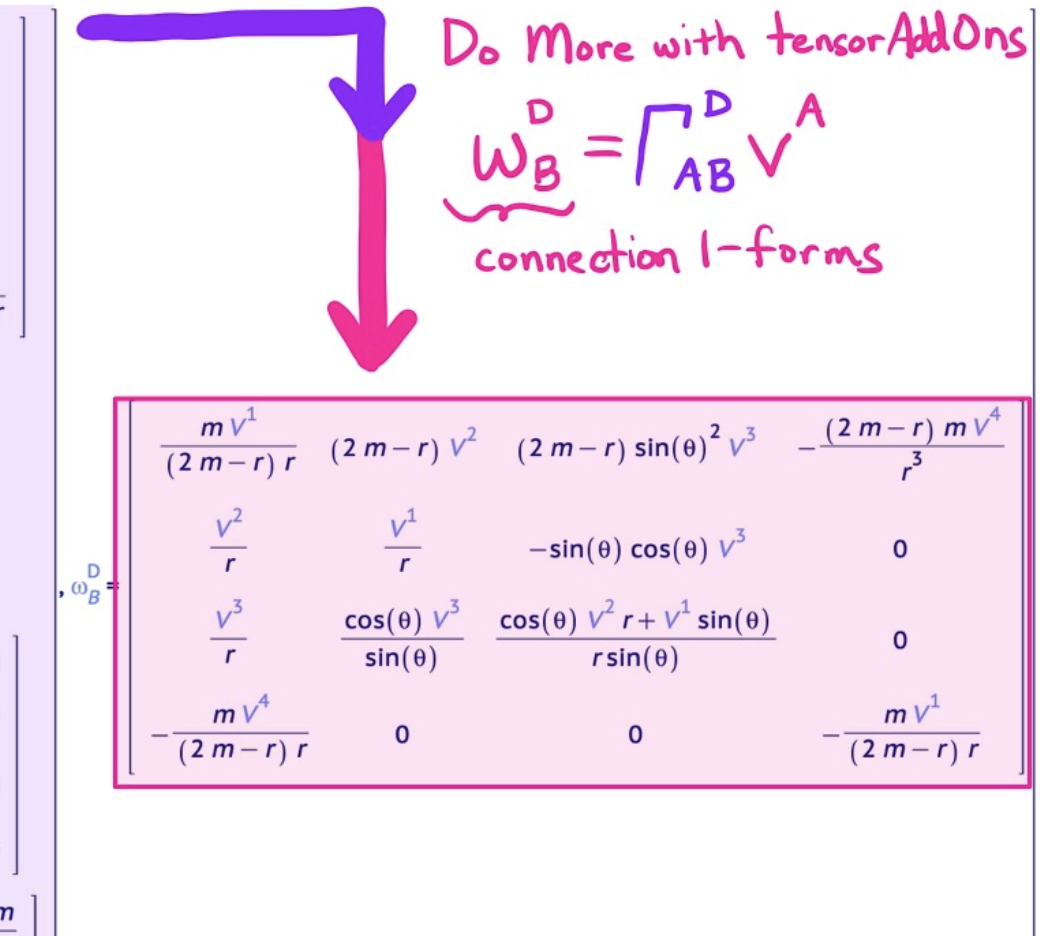
A short introduction to the Maple package tensorAddOns which fascilitates many tensor computations in differential geometry and physics.
additional resources:
Tensor Computations with tensorAddOns
25 October 2022
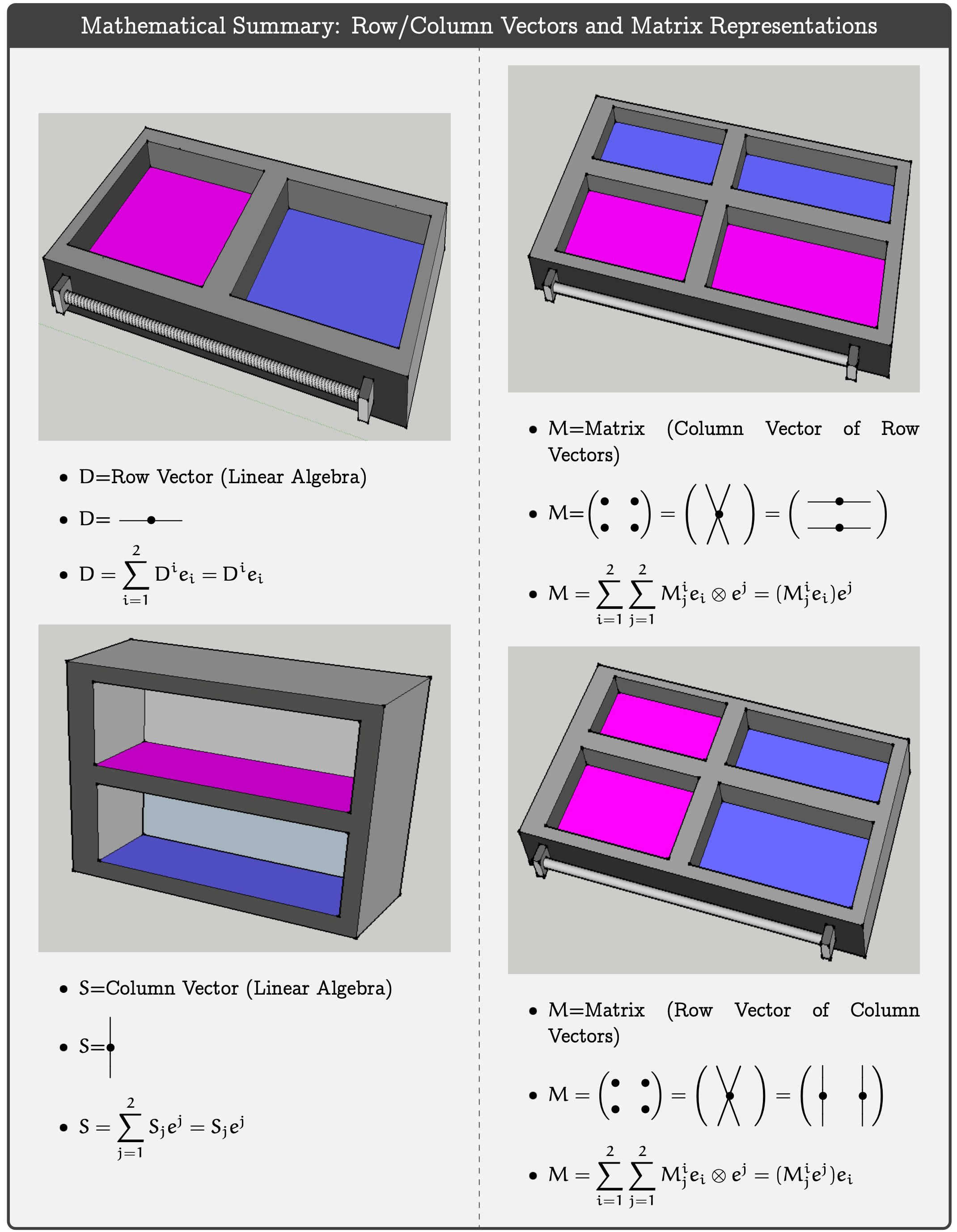
A detailed introduction to the Maple package tensorAddOns. This post serves as the detailed notes behind the Maple Conference 2022 post/presentation.
additional resources:
Intrinsic v. Extrinsic Geometry and the Metric Tensor Illustrated
06 March 2023
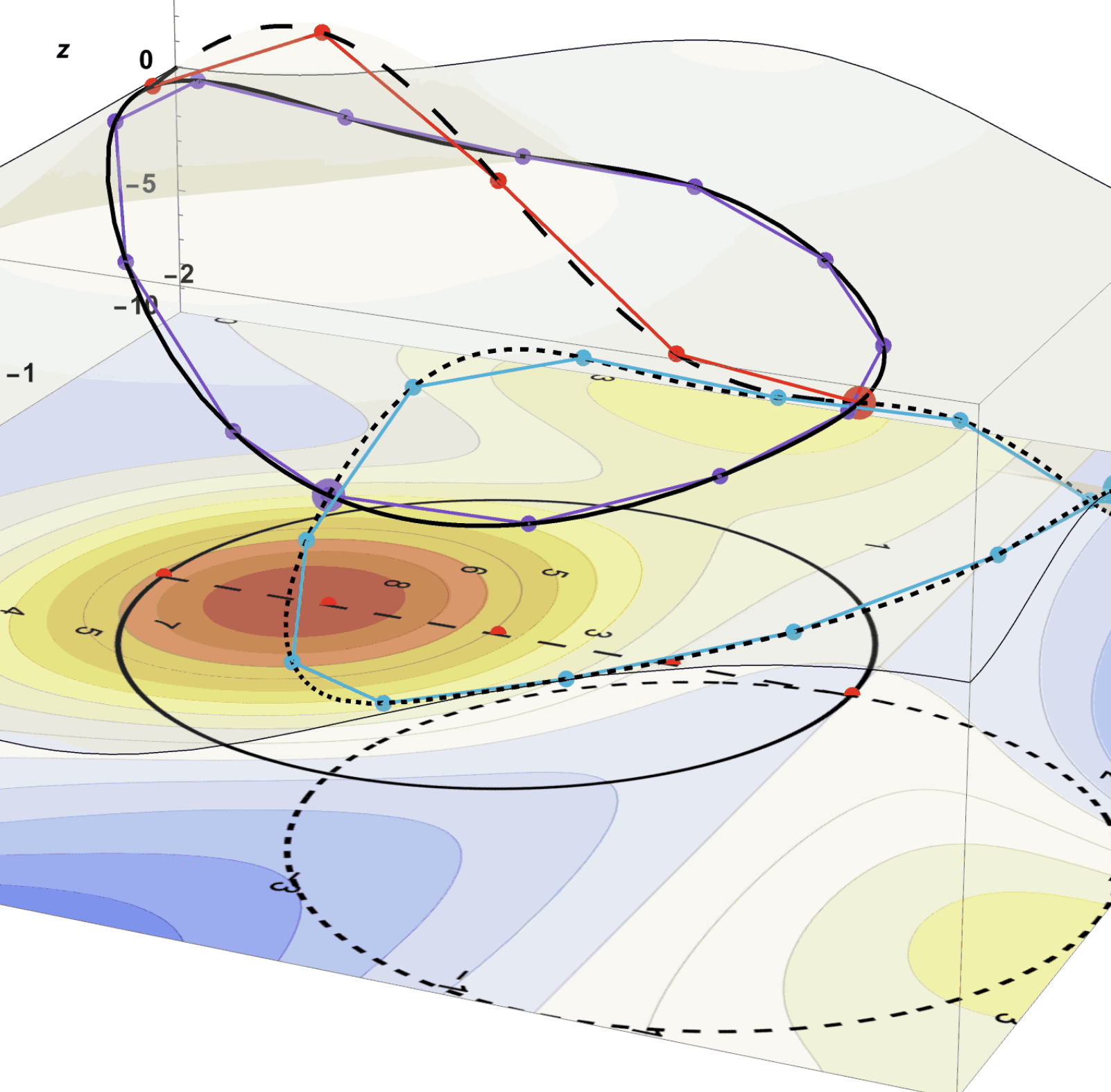
We illustrate the metric tensor as a mathematical book-keeping device which accounts for the variable change necessary in converting ground-distance to hiking-distance in a topographical map. Calculations are done in topographical maps to re-enforce the intuitive explanation given of intrinsic and extrinsic geometry.
additional resources:
An unConcise/math Vision for eBooks
11 May 2023
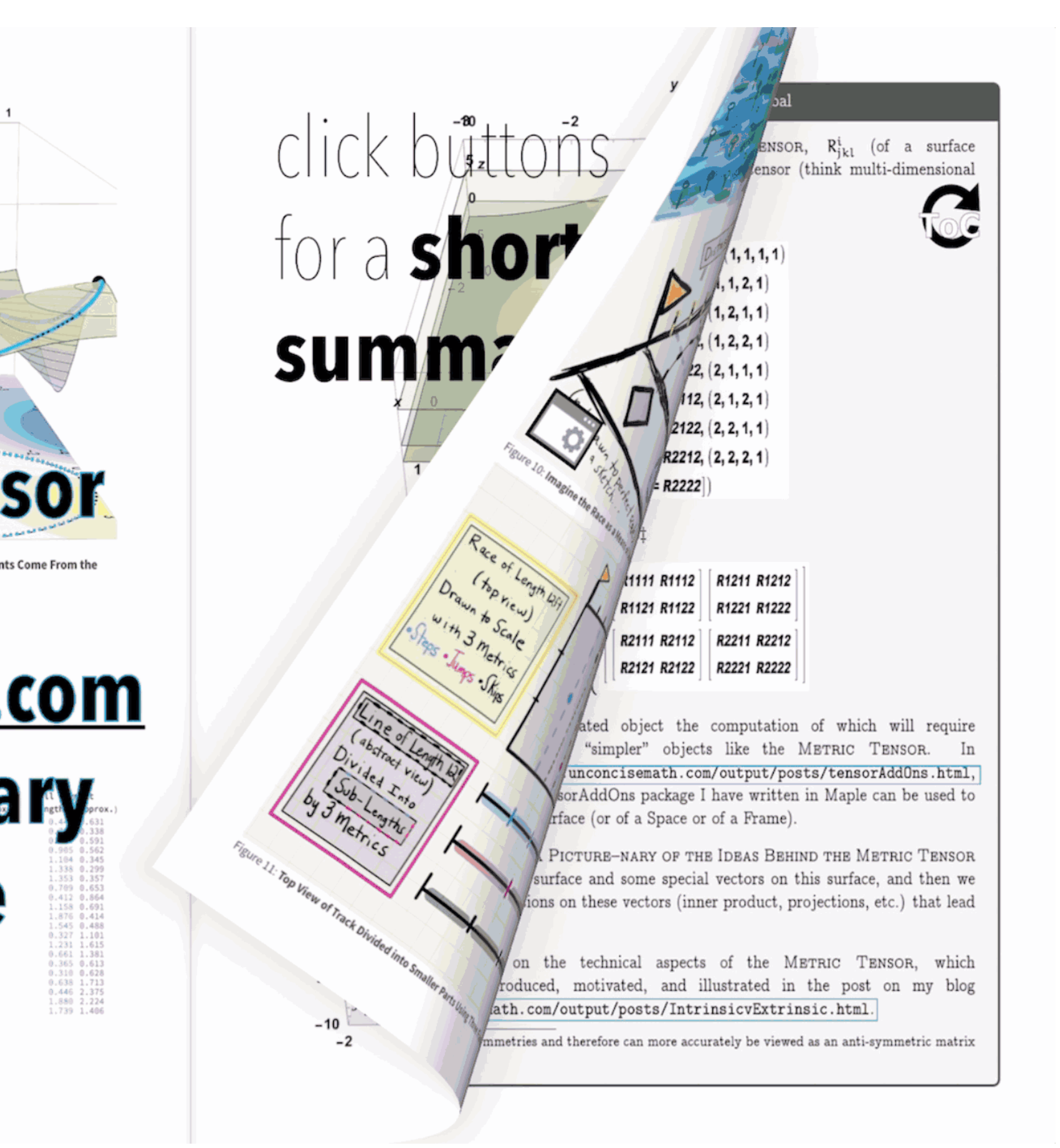
a fixed layout ePub comprised of self-contained text/animation/assignment layers
additional resources:
On Tensors
11 Sept 2023
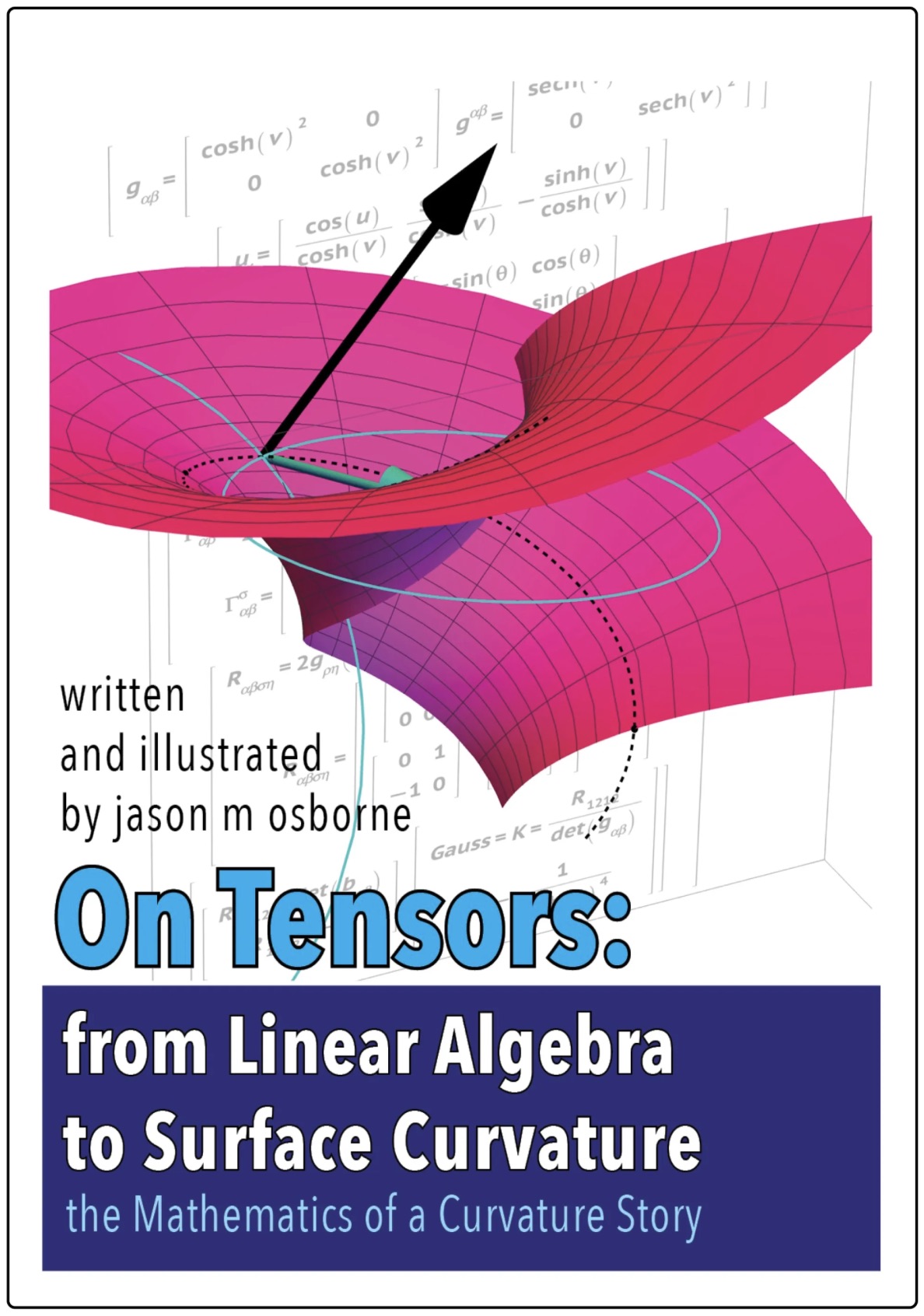
From Linear Algebra to Surface Curvature: The Mathematics of a Curvature Story. Starting from introductory Linear Algebra (matrices, vectors, and multiplications thereof) we develop the Kernel-Index or Tensor Notation as written about by J.A. Schouten in the book Ricci-Calculus. Concepts from Linear Algebra are motivated by way of Colors and Tensors are motivated as a means of Storage. The Linear Algebra and Tensor machinery converge with a treatment of the computation of Surface Curvature from both an intrinsic and extrinsic point of view. We conclude with both graphical and computational illustrations of Gauss’ Theorema Egregium.
additional resources:
Conversion of Maple Output to Mathematica Input
15 Sept 2023
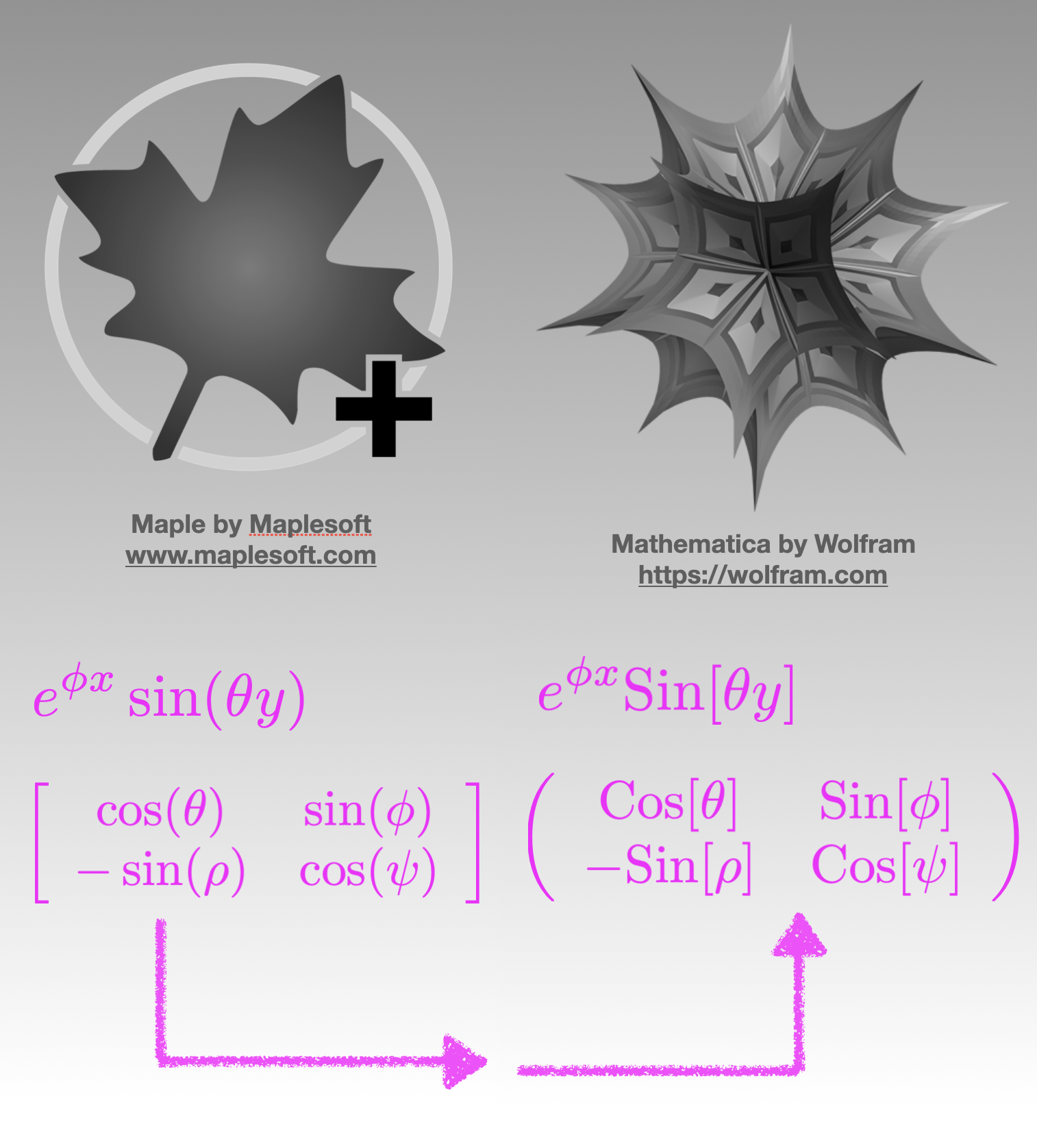
We demonstrate a programmatic method to convert Maple output to Mathematica input
additional resources:
A Curvature Story is Now Freely Available
02 Jan 2024